How to Choose the Best Dog Food for German Shepherds
This breed has four specific vulnerabilities that food can help with or make worse. Learn to read a label against those four and you can judge any bag on any shelf.
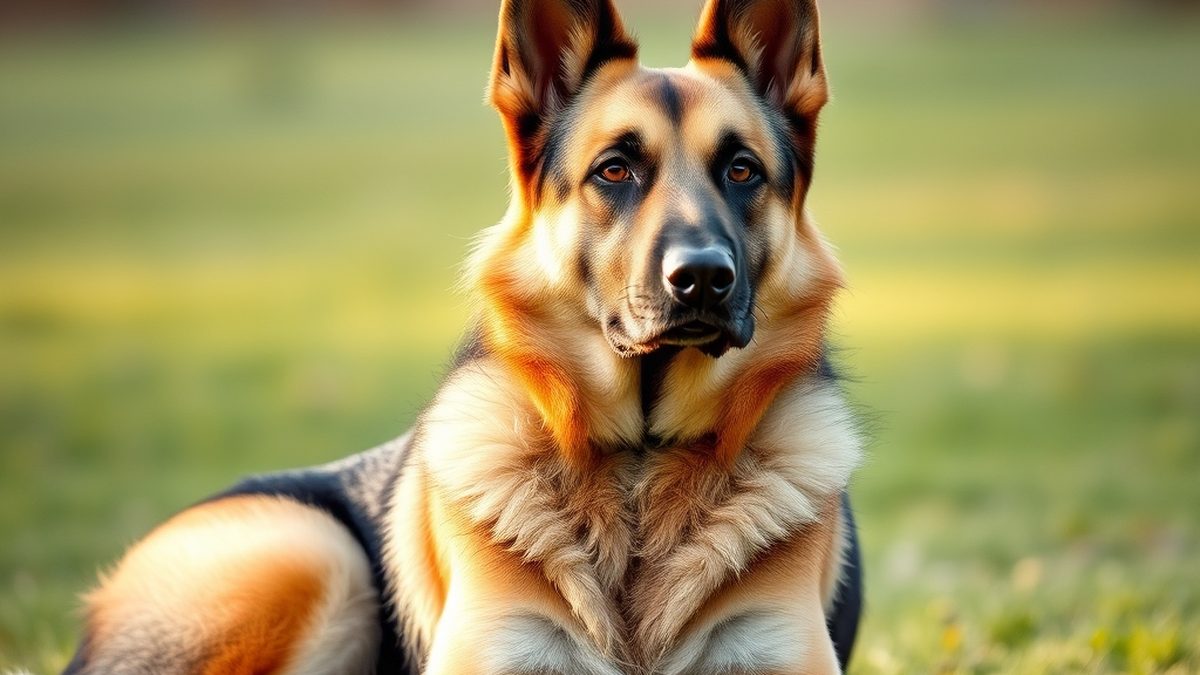
Illustration generated by Nexulab
- Find the AAFCO nutritional adequacy statement on the bag. Without it, nothing else on the label carries weight.
- For a puppy, choose a formula for large-breed growth. Controlled calcium and a controlled growth rate protect developing joints.
- This is a deep-chested breed, so meal size and feeding pace matter as much as the food itself.
- Chronic loose stools or poor weight gain despite a good diet warrant a vet visit, not another bag.
- Keeping the dog lean does more for hips and joints over a lifetime than any ingredient on the label.
Search for the best dog food for German Shepherds and you will find ranked lists of products, most assembled without anyone feeding them to a dog. They cannot answer the question, because the right food depends on your individual dog’s tolerances, age, weight and health history.
What is genuinely useful is the set of criteria. Learn what this breed is vulnerable to and how a label maps onto it, and you can evaluate anything on the shelf — including products that did not exist when this was written.
This is general information, not veterinary advice. A dog with ongoing digestive, skin or mobility problems needs a vet who can examine them, not a different bag of food.
Four things that make this breed different
A large, fast-growing frame. A German Shepherd puppy gains a great deal of size in its first year. Growing too quickly puts stress on cartilage and developing joints, and large-breed puppy formulas exist specifically to slow that rate by controlling energy density and calcium.
A deep chest. The AKC breed standard describes the characteristic deep, long body. Deep-chested breeds carry a higher risk of gastric dilatation-volvulus, commonly called bloat, in which the stomach distends and can twist. How and when a dog eats matters here, not only what.
A reputation for sensitive digestion. Loose stools and food intolerance come up constantly with this breed. In some dogs the cause is a specific condition affecting the pancreas that requires diagnosis; in most it is simply a gut that objects to sudden change and to overfeeding.
Hip and elbow joints under lifelong load. The breed is predisposed to hip and elbow dysplasia. Diet cannot prevent an inherited joint conformation, but body weight determines how much load those joints carry every day for a decade.
Reading the label properly
The AAFCO statement comes first. Somewhere in small print, usually near the feeding table, there should be a sentence saying the food is formulated to meet the nutrient profiles established by AAFCO for a stated life stage — or better, that feeding trials substantiated it. If that sentence is absent, the product is not established as complete and balanced, and everything on the front of the bag is marketing.
Check the life stage matches your dog. “All life stages” means the food meets the requirements for growth, which is more energy and mineral content than a sedentary adult needs. For a puppy, look specifically for large-breed growth.
Ask who formulated it. The more revealing question is not what is in the food but who decided. The WSAVA Global Nutrition Guidelines suggest asking manufacturers whether they employ a qualified nutritionist full time, whether they own their production facilities, and whether they run feeding trials. Established manufacturers generally answer yes to all three; small boutique brands frequently do not, however appealing the ingredient list.
Understand how the ingredient list is ordered. Ingredients are listed by weight before cooking. Fresh meat is largely water, so it appears high on the list and drops sharply once cooked. A named meal such as “lamb meal” is a concentrated, water-removed ingredient — not the inferior option that marketing implies.
Ignore unregulated adjectives. “Premium”, “holistic”, “human-grade” and “ancestral” have no defined meaning in pet food. They are copywriting, not information.
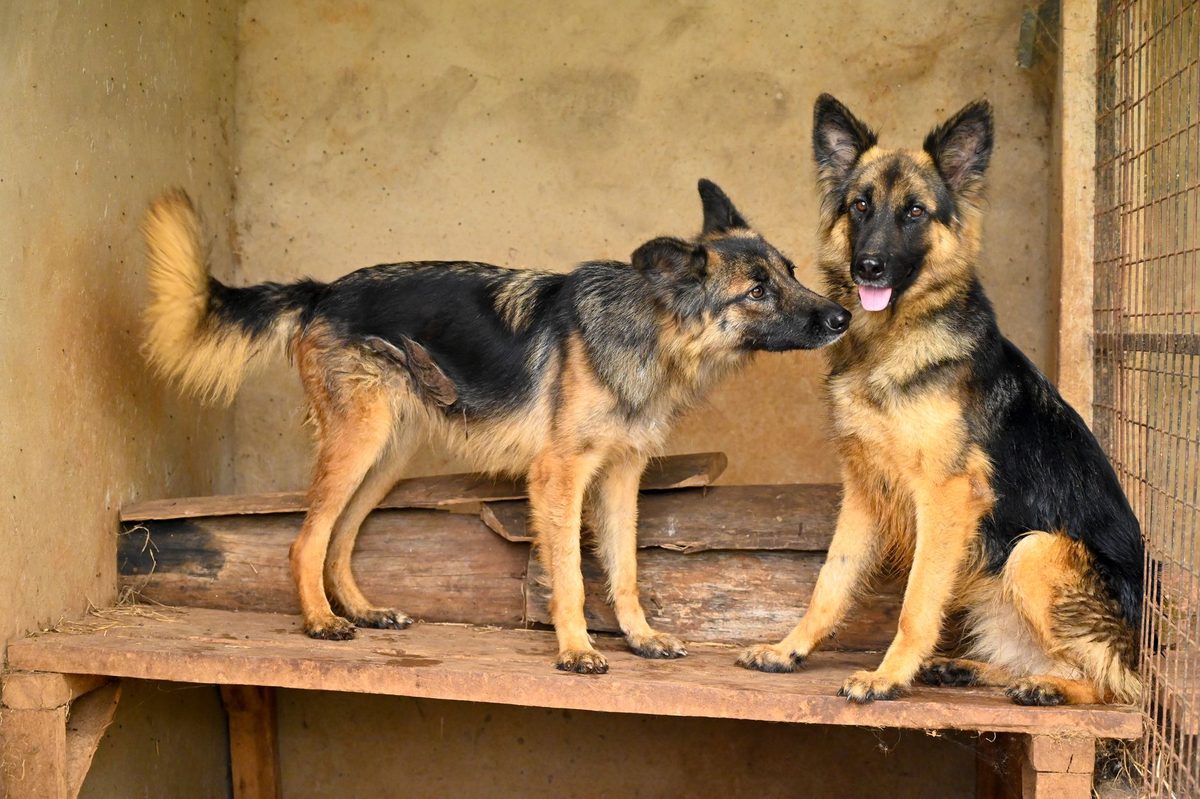
Feeding a puppy without rushing growth
The single most consequential food decision for this breed happens in the first year.
Choose a formula labelled for large-breed growth, and follow the feeding guide for the weight your puppy should reach rather than free-feeding. Resist the instinct to encourage size. A puppy that grows steadily ends up the same adult dog as one that grows rapidly, with better-formed joints.
Avoid adding calcium supplements. A complete large-breed puppy food already controls calcium deliberately, and adding more works against the formulation. If you think supplementation is needed, that is a conversation with a vet rather than a purchase.
Ask your vet when to transition to adult food. For large breeds it is generally later than owners expect. The AKC nutrition guidance covers the general principles, and your vet can apply them to your specific dog.
Meals, pace and bloat
Because this is a deep-chested breed, how the food is delivered deserves attention.
Split the daily ration into at least two meals. One large meal distends the stomach far more than two smaller ones.
Slow a fast eater down. A slow-feeder bowl with internal ridges forces the dog to work around obstacles, which reduces both gulping and the air swallowed alongside the food.
Leave a gap around vigorous exercise. Avoid hard running immediately before or after a meal.
Learn the emergency signs. A swollen, tight abdomen with unproductive retching, restlessness and obvious distress is a surgical emergency. This is the one situation where waiting until morning can be fatal. The ASPCA dog care resources cover general emergency awareness, but the action here is simple: go now.
Digestion that objects
If your dog has persistently loose stools, resist the urge to keep changing brands. Each switch adds a variable and removes the possibility of learning anything.
Transition slowly. Mix the new food into the old over a week or more, increasing the proportion gradually. Sudden change alone causes many of the upsets blamed on ingredients.
Feed a measured amount. Overfeeding produces loose stools in a perfectly healthy dog.
Stop the extras during any assessment. Table scraps, chews and flavoured treats all contribute, and they make it impossible to attribute cause.
Know when it stops being a food problem. Weight loss despite a good appetite, greasy or pale stools, or chronic diarrhoea that does not resolve are signals for veterinary investigation. There are diagnosable conditions here, and one of them is notably associated with this breed. Veterinary teaching hospitals such as Cornell University College of Veterinary Medicine publish accessible material on canine digestive disease if you want to understand what a vet may be looking for.
The part that matters most
Body condition, checked with your hands rather than the bathroom scale.
Run your palms along the ribs: you should feel them easily under a thin layer, much as you feel the knuckles on the back of your hand. Look down from above: there should be a visible waist behind the ribcage. From the side, the abdomen should tuck upward rather than run straight.
Do this every two or three weeks and adjust the amount you feed accordingly.
For a breed carrying a large frame on joints predisposed to dysplasia, leanness is not cosmetic. It is the intervention with the largest cumulative effect on how comfortably the dog moves at eight years old, and it is entirely within your control.
The whole checklist
Standing in front of the shelf, this is all of it:
- AAFCO adequacy statement for the correct life stage
- Large-breed growth formula if the dog is still a puppy
- An established manufacturer with a nutritionist and its own plants
- A protein source your dog demonstrably tolerates
- Calories per cup printed on the bag, so you can portion accurately
- No unexplained recent recalls for that brand
Not one item on that list is a brand name, and that is deliberate. A food meeting all six that your dog eats willingly, digests well, and holds a lean body on is the best dog food for your German Shepherd — which is the only version of the question that has a true answer.
For more in this series, see our other pets guides.
Frequently asked questions
How much should I feed a German Shepherd?
Start from the manufacturer's guideline for your dog's target weight rather than current weight, then adjust every few weeks based on body condition. You should feel the ribs easily under a thin covering and see a waist from above. Printed guidelines are population averages and commonly overestimate for a neutered adult with moderate exercise, so treat the number as a starting point.
Should a German Shepherd puppy eat large-breed puppy food?
Yes, and this is one of the few genuinely breed-relevant food choices. Large-breed puppy formulas control calcium and energy density to keep growth steady rather than rapid. Growing too fast is associated with developmental joint problems in large breeds, so slowing the rate is protective. Your vet can advise when to move to adult food, which is usually later than for a small breed.
Why does my German Shepherd have loose stools?
Sensitive digestion is common in the breed, and the usual culprits are abrupt food changes, too much food per meal, table scraps, or a protein the dog does not tolerate well. Transition between foods over a week or more rather than overnight. Persistent loose stools, weight loss despite a good appetite, or greasy pale stools need veterinary investigation, because they can indicate a condition affecting the pancreas.
Is grain-free food better for German Shepherds?
Not as a default. Food reactions in dogs are usually to a protein source rather than to grains, so grain-free often does not address what people buy it for. There is also an unresolved question about certain grain-free diets high in legumes and heart disease that the American Veterinary Medical Association has followed. Choose grain-free only for a specific clinical reason discussed with your vet.
How can I reduce bloat risk in a German Shepherd?
Bloat, or gastric dilatation-volvulus, is a genuine emergency and deep-chested breeds are at higher risk. Practical measures include splitting the daily ration into two or more meals, slowing a fast eater with a slow-feeder bowl, and avoiding hard exercise immediately around mealtimes. Sudden abdominal swelling with unproductive retching is an emergency — go to a vet immediately, not in the morning.