How to Choose the Best Dog Food for Golden Retrievers
This breed carries three specific vulnerabilities, and two of them respond directly to what goes in the bowl. The third responds to how much.

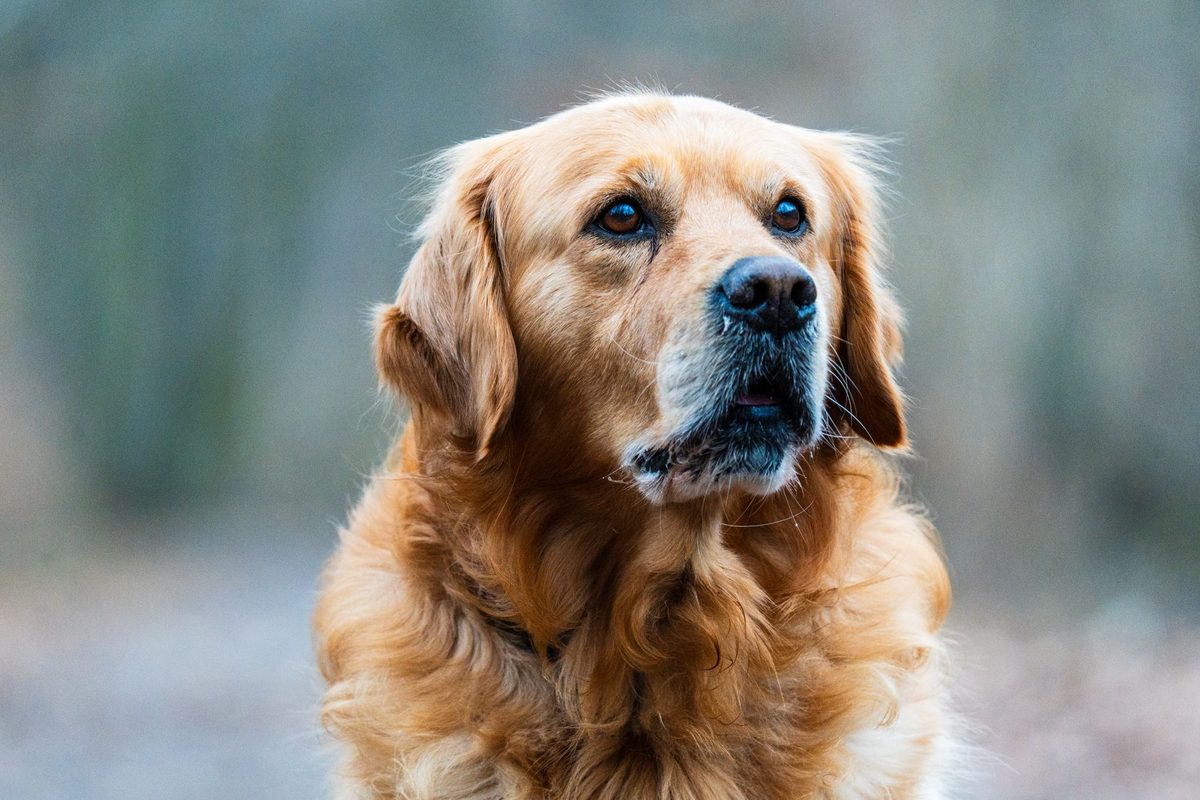
Illustration generated by Nexulab
- Large-breed puppy formula while growing. Controlled growth protects hips and elbows in a breed prone to both.
- Goldens gain weight easily, and extra weight lands on the joints that were already the weak point.
- The coat is a visible indicator. Dull, dry or shedding beyond the usual often reflects the diet or a skin issue worth investigating.
- Skin sensitivity is common in the breed, so a food that suits your dog matters more than a food that scores well on paper.
- Do not add calcium to a complete puppy food. It disrupts a ratio the manufacturer set deliberately.
Golden Retrievers are among the most popular dogs in the United States, which means the search for the best dog food for Golden Retrievers returns more marketing than information.
The breed does have specific vulnerabilities. Three of them, and understanding what each responds to makes the feeding decision straightforward.
This is general information, not veterinary advice. Your vet sees your individual dog and is the right person to confirm formula, portion and any concerns about the coat or the joints.
The three things this breed is prone to
Joints. Hip and elbow problems are well documented in Goldens. Genetics you inherit from the breeder; growth rate and body weight you control.
Weight. They gain it easily, and they are enthusiastic about food in a way that makes owners overestimate hunger. Extra weight lands directly on the joints that were already the weak point, so these two compound.
Skin and coat. Sensitivity is commonly reported, and the coat is unusually visible as an indicator — problems show up there before they show up anywhere else.
Two of those respond to what you feed. The middle one responds to how much, and it is the one that matters most.
While they are growing: large-breed formula
This is not optional for a Golden, and the reasoning is the same one that applies to feeding a puppy of any large breed.
Large-breed puppy foods control calcium levels and energy density on purpose, so growth is steady rather than as fast as possible.
Faster growth is not better growth. A Golden puppy that grows very quickly reaches the same adult size as one that grows steadily. What differs is how well the skeleton kept pace. Bones and the cartilage between them develop on a schedule, and pushing body mass ahead of that schedule loads structures that are not ready for it.
And do not add calcium. This is the one genuinely harmful thing well-meaning owners do. A complete food has calcium and phosphorus in a controlled ratio; adding more disrupts it rather than improving it. In large-breed puppies, excess dietary calcium during growth is associated with skeletal development problems.
Veterinary nutrition guidance including the WSAVA global nutrition guidelines is consistent on this.
How long: Goldens finish growing later than small breeds, commonly somewhere between twelve and eighteen months. Your vet will time the switch to adult food for your dog rather than a calendar.
As adults: the portion is the decision
Once the formula question is settled, the rest is arithmetic you do twice a day.
Feel for the ribs. Light pressure along the sides — you should find them under a thin covering, similar to feeling the back of your own hand. Pressing to locate them means too much.
Look for the waist. From above, a standing dog should narrow behind the ribs.
Do this fortnightly. Weight gain in dogs is never sudden. It is a few grams a week for a year, and only hands catch it that early.
Weigh the food, do not scoop it. A cup is not a unit of mass and hands are generous.
Count treats as food. Training rewards and table scraps are the usual reason a carefully measured diet drifts. Subtract them from the daily ration rather than adding them on top.
Adjust for activity honestly. A Golden that swims and retrieves for two hours a day is a different animal, nutritionally, from one that has two walks. Feeding the working amount to the companion dog is one of the commonest mistakes with this breed.
Reading the bag
Four checks, in order of importance.
Complete and balanced for the life stage. In the United States this references AAFCO nutrient profiles. Least glamorous line on the packaging, most important.
Large-breed formulation if the dog is still growing.
A named protein source. “Chicken” says more than “meat and animal derivatives”. A modest signal.
Adequate fat. Goldens have a double coat that needs supporting, and very low-fat diets tend to show there first. This does not mean a high-fat food is better — it means a reasonable one matters, and cutting fat aggressively to manage weight is the wrong lever. Reduce the quantity instead.
The American Kennel Club covers general nutrition in more depth.
What matters less than the packaging suggests
Grain-free. Positioning, unless a vet diagnosed something.
Breed-specific bags. A bag with a Golden on it is a large-breed food with a photograph. Large-breed formulation is genuinely what you want, but you are not missing anything by choosing a well-formulated large-breed food without the portrait.
Ingredient-list order. Ranked by pre-cooking weight, and fresh meat is mostly water. It will not rank foods for you.
When the coat looks wrong
A dull, dry or thinning coat on a dog eating a complete food is worth investigating rather than supplementing.
Rule out the common causes first, with a vet: fleas, environmental allergies, thyroid problems, and parasites. All of them show in the coat, and none of them are fixed by changing food.
Then consider the diet, and specifically whether the dog is actually eating what you think — a fussy eater on half rations is underfed regardless of what the bag says.
Adding oils to a complete food is the step people take first and should take last. If the food is balanced, adding fat unbalances it, and you may be treating a symptom whose cause is a flea allergy.
The same logic applies as with itching: the visible problem is rarely the food, and the way to find out is elimination with veterinary supervision, not switching bags.
The short version
Growing: large-breed puppy formula. No calcium supplement. Steady, not fast.
Adult: a complete large-breed food you can keep buying, with sensible fat.
Always: weigh the portion, feel the ribs fortnightly, count the treats.
Coat problems: vet first, food second, supplements last.
The Goldens that reach eleven and twelve moving comfortably are not the ones that found a special food. They are the ones that grew at a sensible pace and never got heavy.
For more in this series, see our other pets guides.
Frequently asked questions
How much should I feed a Golden Retriever?
Start from the manufacturer's chart for the dog's target weight rather than its current weight, then adjust every couple of weeks based on body condition. You should feel the ribs under a thin covering without pressing, and see a waist from above. Activity changes the answer a great deal — a Golden that swims and works daily needs substantially more than one that walks twice a day.
Do Golden Retrievers need large-breed puppy food?
Yes, while they are growing. Large-breed puppy formulas control calcium and energy density so growth happens steadily rather than in bursts, and that matters for a breed with a known predisposition to hip and elbow problems. A puppy that grows fast reaches the same adult size with less well-formed joints, and that is not recoverable later.
What food is best for a Golden Retriever's coat?
A complete food with adequate fat and a sensible fatty acid profile does most of the work; a dull coat on a well-fed dog is more often a skin or health issue than a nutritional gap. Before adding oils or supplements, rule out fleas, allergies and thyroid problems with your vet. Supplementing a complete diet without knowing the cause treats a symptom and can unbalance the food.
Are Golden Retrievers prone to allergies?
Skin sensitivity is commonly reported in the breed, though environmental allergies and fleas cause far more itching than food does. If your dog is itchy, food is not the first thing to suspect. The only reliable way to identify a food sensitivity is a properly run elimination trial with your vet, not switching to a bag marketed as hypoallergenic.
Should I feed grain-free food to a Golden Retriever?
There is no general reason to. Grains are not inherently problematic for dogs, and genuine grain allergies are uncommon compared with how much shelf space grain-free occupies. Follow veterinary guidance if your dog has a diagnosed sensitivity; otherwise this is a marketing distinction rather than a nutritional one.