Why Do Cats Purr? It Is Not Only Happiness
A purring cat on your lap is usually a contented cat. A purring cat at the vet is something else entirely, and the same sound is doing a different job.
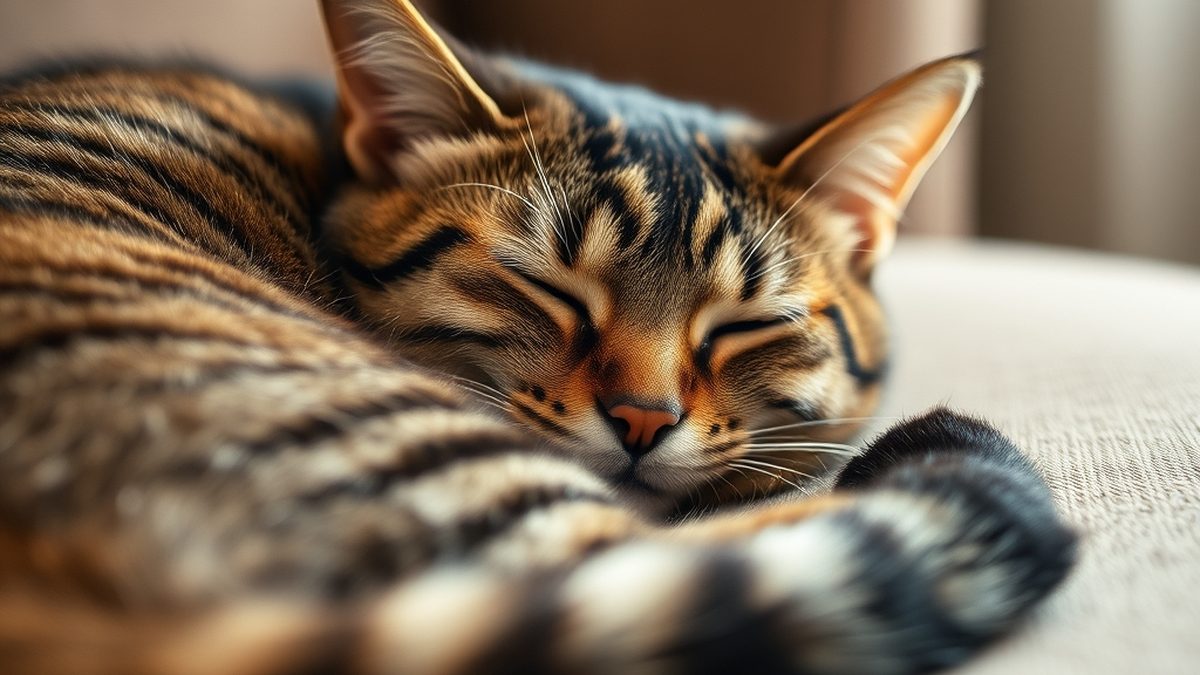
Illustration generated by Nexulab
- Purring is not a reliable happiness indicator. Cats also purr when frightened, in pain, or under stress.
- It begins in kittens as communication with the mother, before their eyes open.
- Read the body, not the sound. Ears, eyes, tail and posture tell you what the purr means.
- A purr that accompanies hiding, appetite loss or laboured breathing is a reason to call a vet.
- Purring at the vet is common and is usually self-soothing rather than contentment.
Ask why do cats purr and the answer arrives instantly: because they are happy.
That is true often enough to be useful and wrong often enough to matter. Cats purr when they are content. They also purr when they are frightened, when they are in pain, while giving birth, and on a stainless steel table at the vet — which is not a setting anyone would describe as pleasant.
Which means purring is not a mood readout. It is closer to a channel, and what travels through it depends on the situation.
This is general information, not veterinary advice. A cat that is purring while also hiding, off its food, or breathing oddly needs a vet who can examine it — purring is not reassurance.
Where it starts
Before a kitten’s eyes open, it purrs.
Kittens purr while nursing, and mothers purr back. It is one of the earliest forms of contact between them, at a stage when sight is unavailable and the vibration itself carries information. So from the beginning, purring is bound up with closeness, safety and getting a response — not with happiness as a distinct emotion.
Adult cats keep it, and they use it in a wider range of situations than the origin suggests.
How the sound is made
Briefly, because it is genuinely interesting and because the mechanism explains one of purring’s odd properties.
The current understanding is that the brain sends rapid repeated signals to the muscles of the larynx. Those muscles open and close the gap between the vocal folds many times a second, and air passing through that rapidly changing gap produces the sound.
The consequence: purring works on both the inhale and the exhale. A cat can purr continuously, which a meow cannot do. That continuity is part of why it reads as a state rather than a statement.
Some details remain debated. It is not a fully closed question.
The four things purring does
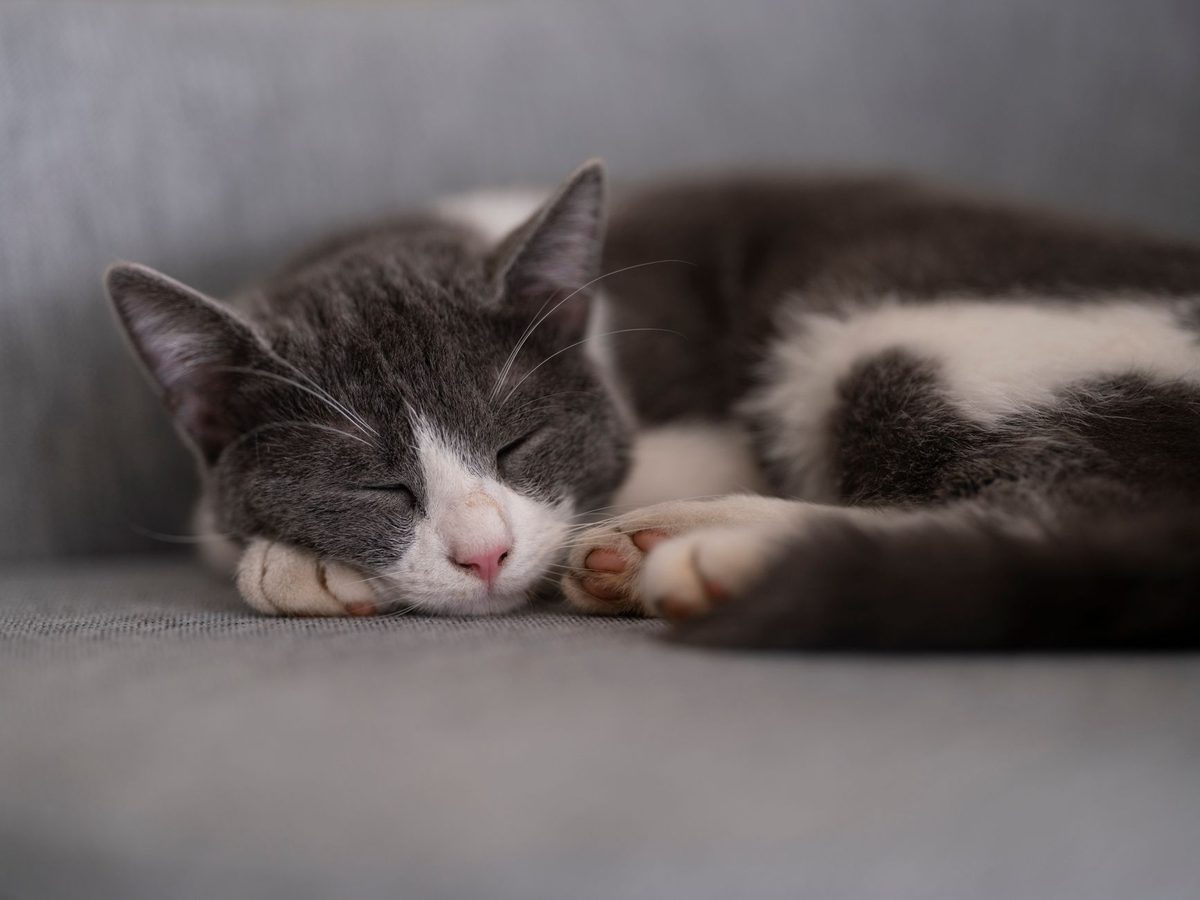
Contentment. Real, and the closest to the popular interpretation. A relaxed cat, loose posture, half-closed eyes, kneading — that purr means what you think it means.
Communication and request. Cats direct purring at people in situations where they want something: food, a door opened, attention. Some researchers have described a distinctive, more urgent quality in the purring cats use when soliciting food — a sound engineered, in effect, to be harder to ignore.
Self-soothing. This is the one that changes how you should interpret the sound. Cats purr in situations of stress and pain, and the leading explanation is that the behaviour helps them manage the situation. Not “I am fine” but closer to “I am coping.”
Social bonding. Cats purr around other cats they are comfortable with, and mothers and kittens purr at each other throughout the nursing period.
Most purring is not cleanly one of these. It is usually a mix, weighted by circumstance.
Read the body, not the sound
Here is the practical skill, and it is the whole point of the article.
A contented purr comes with:
- Loose, relaxed posture, often lying on the side or curled
- Eyes half closed, or slow blinking
- Ears forward and relaxed
- Tail still, or moving slowly and loosely
- Kneading with the front paws
- A soft, even sound
A distressed purr comes with:
- Tense, crouched posture, weight held low
- Wide eyes, dilated pupils
- Ears rotated sideways or flattened
- Tail tucked or held tightly against the body
- Hiding, or trying to
- Reluctance to be touched in a particular place
Same sound. Opposite meanings. The body is where the information is.
The ASPCA cat care resources cover feline body language in more detail, and veterinary teaching hospitals such as Cornell University College of Veterinary Medicine publish accessible material on feline behaviour and health.
When purring is a reason to call the vet
Cats conceal illness unusually well. It is a species that evolved to avoid advertising weakness, and that instinct works against owners trying to notice problems early.
So purring should never be taken as reassurance on its own. Worth a phone call if it comes with:
- Hiding or withdrawing from normal spots
- Reduced appetite or drinking changes
- Laboured or open-mouthed breathing — this one is urgent in cats
- Unusual posture, such as sitting hunched with the head low
- Reluctance to be handled somewhere specific
- Reduced grooming, or a coat that looks unkempt
- Any sudden behavioural change with no obvious cause
A cat purring on a vet’s table is common and normal. A cat purring under the bed for a day is not.
The healing claim, handled honestly
You will find articles stating that purring heals bones and lowers blood pressure, usually with a specific frequency quoted.
The honest position: there is genuine scientific interest in whether the vibrations associated with purring have physiological effects, and there are hypotheses in the literature about tissue and bone. It is an open research question, not an established fact, and the confident numbers circulating online outrun the evidence considerably.
What is better supported is the human side — many people find a purring cat calming, which is a real effect on a real nervous system, just not the cat’s.
We would rather tell you a question is open than hand you a number we cannot stand behind.
Purring, then biting
A common and confusing sequence, worth explaining because it makes people think their cat is unpredictable.
Cats can become overstimulated by sustained stroking. The purring was genuine; it simply was not a request to continue indefinitely. And the transition from tolerating to objecting happens faster than most people notice.
The warnings arrive first, and they are subtle:
- The tail starts flicking at the tip
- Skin twitches along the back
- Ears rotate sideways
- The head turns toward your hand
- The purring changes pitch or stops
Stop at any of those and the bite does not happen. The same principle — read the body, not the noise — applies to scratching the furniture. Most “sudden” cat bites were signalled for several seconds.
The short version
A purring cat with a loose body, half-closed eyes and a still tail is content. Enjoy it.
A purring cat that is tense, hiding, or off its food is doing something else with the same sound — and that one is worth a vet rather than a search engine.
Purring is not a mood indicator. It is a cat managing a situation, and the situation is written on the rest of the animal.
For more in this series, see our other pets guides.
Frequently asked questions
Do cats purr when they are in pain?
Yes, and it surprises people. Cats have been widely observed purring while injured, while giving birth, and during veterinary examination. The leading explanation is that purring functions partly as self-soothing — a way of managing a difficult situation rather than reporting a pleasant one. This is exactly why purring alone should never reassure you if other signs suggest something is wrong.
How do cats purr?
The current understanding is that the brain sends rapid signals to the muscles of the larynx, which open and close the space between the vocal folds many times a second. Air moving through that rapidly changing gap produces the sound, on both the inhale and the exhale — which is why purring can be continuous in a way meowing cannot. Some details of the mechanism are still debated.
Why does my cat purr and then bite me?
Usually because the purring was not an invitation to keep stroking. Cats can become overstimulated by sustained petting, and the shift from tolerating to objecting is quick and easy to miss. Watch for the tail starting to flick, skin twitching along the back, ears rotating sideways, or the head turning toward your hand. Those come before the bite, and stopping at that point avoids it.
Do cats purr to communicate with humans?
In part, yes. Purring starts as kitten-to-mother communication, and adult cats direct it at people in situations where they want something — food, attention, a door opened. Some researchers have described a distinctive urgent quality in the purring cats use when soliciting food. It is reasonable to treat purring at you as communication rather than just an emotional overflow.
When should I worry about my cat purring?
When it comes with other changes. Purring alongside hiding, reduced appetite, laboured or open-mouthed breathing, unusual posture, reluctance to be touched in a particular place, or reduced grooming is worth a vet visit. Cats conceal illness well, and a cat that purrs while otherwise clearly unwell is not telling you it is fine — it may be coping.