Why Does My Dog Eat Poop? The Honest Answer
The explanations you have heard — a missing nutrient, boredom, a dirty habit — capture part of the picture but miss the pieces that actually matter. Here is what drives the behaviour, why it is so hard to break, and what works.
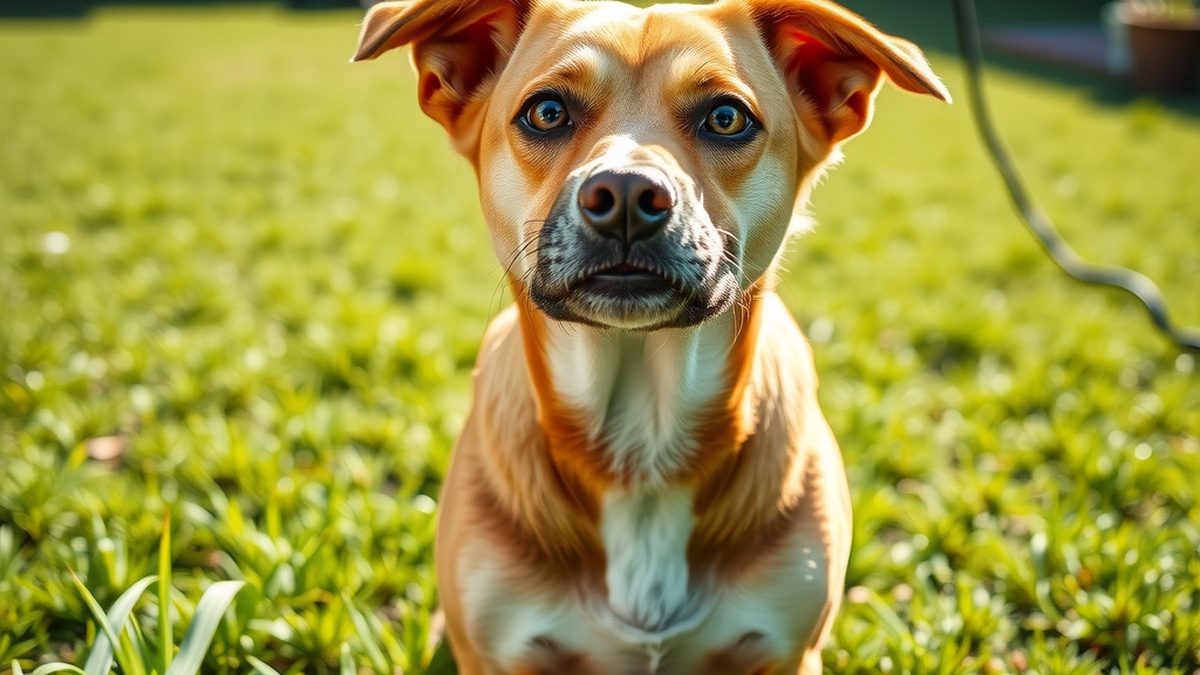
Illustration generated by Nexulab. Inline photo by Lisa Fotios via Pexels
- Coprophagia — eating faeces — is common in dogs and is not a sign that something is deeply wrong with your dog or your care.
- The behaviour has several distinct causes, from maternal instinct to malabsorption to learned habit, and the right fix depends on which one applies.
- Puppies outgrow most poop eating naturally. In adult dogs, the first step is a vet check to rule out medical causes.
- Quick fixes — pineapple, chilli powder, shouting — rarely work long term. The approach that lasts combines diet, management, and redirection.
- Coprophagia becomes a health concern when the dog eats the faeces of unknown animals, which can transmit parasites and disease.
If you are asking why does my dog eat poop, you are far from alone. Coprophagia — the scientific name for eating faeces — is among the most common behaviour complaints that veterinarians hear, and among the most distressing for owners. The good news is that it is rarely a sign of serious illness. The more useful news is that once you understand the specific reason your dog does it, you have a clear path to stopping it.
The internet offers two tidy explanations: your dog has a nutritional deficiency, or your dog is just being a dog. Both are incomplete. The real picture is more specific and more useful, because the reason that drives a nursing mother to eat her puppies’ stool is not the same reason a two-year-old Labrador raids the cat litter box, and the fix that works for one will not work for the other.
This article is general information, not veterinary advice. If your adult dog suddenly starts eating stool alongside other symptoms — weight loss, diarrhoea, lethargy — see a vet. The behaviour itself is rarely an emergency, but what sits behind it sometimes is.
The six reasons dogs eat poop, and why they matter
Different dogs, different causes. Matching the right fix to the right reason is what makes the difference between solving the problem and chasing it for months.
| Reason | Who it affects | What to do |
|---|---|---|
| Maternal instinct | Nursing mothers | Nothing — it stops on its own when the puppies are weaned |
| Puppy exploration | Puppies under 6 months | Gentle redirection; most outgrow it |
| “Destroy the evidence” | Dogs punished for indoor accidents | Stop all punishment; manage the environment so accidents are rare |
| Attraction to herbivore stool | Any dog with outdoor access | Leash walks, “leave it” training, yard cleanup |
| Cat litter box raiding | Dogs in homes with cats | Physical barriers (top-entry box, baby gate, elevated placement) |
| Medical (enzyme deficiency, malabsorption, parasites) | Adult dogs with other symptoms | Vet exam, faecal testing, blood work |
The table matters because the action is different in each case. A puppy who explores the world with his mouth needs time and gentle redirection. A dog who learned to destroy the evidence after being scolded needs trust rebuilt. A dog with pancreatic insufficiency needs enzymes, not a training plan. Treating the wrong cause wastes weeks.
Start with the vet: the medical reasons you cannot see
Most coprophagia is behavioural, but the cases that are not need a veterinarian, not a trainer. The dog who eats stool because his body is not absorbing nutrients looks healthy at first glance — he eats well, he is energetic — but the stool holds undigested fat and protein that his system could not use. He eats it for the same reason he eats his dinner: it still smells like food.
The conditions worth ruling out include exocrine pancreatic insufficiency, intestinal parasites, severe malabsorption, and certain enzyme deficiencies. A faecal test and a physical exam cover most of these in a single visit. If the vet gives the all-clear, you can move on to the behavioural side with confidence. If the vet finds something, you just solved the problem before you spent three months sprinkling pineapple on every meal.
The mother and the puppy: instinct, not a problem
If you have a nursing female dog and she is eating her puppies’ stool, understand that she is doing exactly what her instincts tell her to do. In the wild, a den full of faeces attracts predators and breeds disease. The mother keeps it clean. This behaviour is so deeply wired that most female dogs will do it without ever having seen another dog do it. It fades on its own as the puppies grow and start eliminating outside the whelping area. You do not need to intervene.
Puppies explore the world with their mouths, and faeces is simply one of many things they taste. Most stop by six to nine months of age without any special training. If you want to speed the process along, pick up stool immediately in the yard so the puppy never has the opportunity, and redirect to a toy or a treat when he sniffs at stool during walks. Scolding a puppy for eating poop teaches him nothing except that you are unpredictable around poop — which can backfire into the evidence-destroying habit described below.
The hidden danger of punishment
This is the pattern nobody talks about, and it explains a surprising number of adult cases. A dog is scolded or punished for defecating indoors. The dog does not understand that the location was the problem — he learns that faeces appearing near him triggers anger. The solution, from the dog’s perspective, is to make the faeces disappear. Eating it achieves exactly that.
Once this loop is established, it is stubborn. The dog eats stool faster and more discreetly over time because the punishment has raised the stakes. The fix is not a stronger “no”. The fix is to take punishment entirely off the table, manage the environment so indoor accidents cannot happen, and reward the dog lavishly for eliminating outdoors while you are present. The same principle applies to other behaviour problems: stopping a dog from barking or a cat scratching furniture both fail when owners rely on punishment after the fact instead of redirection and environmental management. It only teaches him that you are unpredictable. Trust takes longer to rebuild than a habit takes to learn, but this particular loop does break once the dog stops associating stool with fear.
Cat poop, rabbit poop, horse poop: the gourmet section
A dog who ignores his own stool but devours cat faeces or rabbit droppings is not broken. Herbivore stool contains partially digested plant matter and, in the case of cats, a high protein content that makes it smell interesting to a dog’s nose. This is not a deficiency and it is not a behavioural disorder. It is a dog being a scavenger, which is what dogs evolved to be.
The solution is environmental, not psychological. For cat faeces, the litter box needs to be somewhere the dog physically cannot reach. Top-entry litter boxes work for many households. A baby gate across the laundry room door, raised high enough for the cat to slip under but too low for the dog, is another reliable option. For rabbit and other wildlife droppings outdoors, the answer is a lead and a solid “leave it” command — reinforced with treats that are higher value than the prize on the ground.
Quick fixes and why they fall short
The internet loves a silver bullet. Feed the dog pineapple. Sprinkle chilli powder on the stool. Buy a deterrent tablet. These approaches have one thing in common: they aim to make the stool taste bad so the dog stops eating it.
The problem is scope. A deterrent only works on stool the dog would eat from a specific source — his own, or that of a housemate who also receives the deterrent. It does nothing for the dog who finds rabbit droppings on a walk, or raids the cat litter box, or eats stool at the park. And even for his own stool, deterrents treat the symptom, not the driver. If the driver is a medical condition, the deterrent delays the vet visit. If the driver is a learned behaviour, the deterrent masks it without resolving it.
This does not mean deterrents are useless. In a multi-dog household where one dog eats another’s stool, feeding both dogs a deterrent product can buy you the time to work on management and training. But used alone, as the only intervention, they rarely hold up.
What a real plan looks like
The combination that works across most cases is straightforward, though it demands consistency:
Clean the environment first. Pick up stool in the yard immediately after elimination, every time. Walk the dog on a lead in areas where other animals defecate. Put the cat litter box out of reach. If the dog cannot access stool, the behaviour cannot happen, and every day without practice reduces the habit.
Teach “leave it” in escalating difficulty. Start indoors with a low-value treat, progress to high-value, then practice outdoors at increasing distance from distractions. When the dog reliably leaves a dropped piece of food on command, you have a tool that works on stool too — and on other scavenging behaviours like grass eating.
Reward the right choice. When the dog walks past stool without engaging, pay him. The reward must compete with the attraction of the stool, so use something genuinely high value — a piece of chicken, cheese, or a favourite toy. Over time the dog learns that ignoring stool leads to something better than eating it.
See the vet if it persists. A dog who continues eating stool despite a clean environment and consistent training for several weeks deserves a medical workup. The causes that matter — enzyme insufficiency, parasites, malabsorption — are all treatable once identified.
When to worry
Eating stool on its own, in a dog who is otherwise bright, eating well, and maintaining weight, is not a cause for alarm. But there are specific situations where coprophagia shifts from a nuisance to a medical concern:
- The dog is losing weight despite a normal or increased appetite
- Stool is loose, greasy, or unusually foul-smelling
- The dog is lethargic or shows a dull coat
- The behaviour starts suddenly in an adult dog with no prior history of it
- The dog is eating the stool of unknown animals in public spaces, where parasite transmission risk is higher
Any of these alongside coprophagia warrants a vet visit. The stool eating may be the most visible sign of something that needs treatment.
Frequently asked questions
Why does my dog eat poop in the first place?
There is no single answer. Nursing mothers eat their puppies' faeces to keep the den clean, and puppies imitate this. Some dogs develop the habit because they were once scolded for defecating indoors and learned to destroy the evidence. Others eat the droppings of herbivores like rabbits and horses because the partially digested plant matter smells interesting to them. In some cases, a medical issue like enzyme deficiency or malabsorption makes the dog seek nutrients from stool. The key is that coprophagia is rarely a moral failure on the dog's part: it is either instinct, a learned behaviour, or a medical signal.
Is eating poop dangerous for my dog?
Eating their own stool is usually not dangerous, though it is unpleasant for you. The real risk comes from eating the faeces of other animals, which can carry parasites such as roundworms, hookworms, and giardia, as well as bacteria and viruses. Dogs that frequent parks, trails, or areas where wildlife defecates are at higher risk. If your dog is a habitual stool eater, keep them on a regular deworming schedule and discuss faecal testing with your vet.
Will pineapple or pumpkin stop my dog from eating poop?
Pineapple, pumpkin, and commercial deterrent powders work on a simple premise: they make the stool taste unpleasant, so the dog stops eating it. The catch is that they only work for dogs who eat their own stool or the stool of another dog in the same household who also receives the deterrent. They do nothing for a dog who seeks out rabbit droppings in the garden or cat faeces from the litter box. They can help in the right situation, but they are not a universal fix.
Does coprophagia mean my dog has a nutritional deficiency?
It can, but it is not the most common cause. A dog with exocrine pancreatic insufficiency or severe malabsorption may eat stool because undigested nutrients are passing through. This is a medical condition with other signs: weight loss despite a good appetite, loose or greasy stools, and poor coat condition. If your dog appears healthy in every other way, the behaviour is more likely behavioural or instinctive. Either way, a vet check is the right starting point before assuming it is a deficiency.
How do I get my dog to stop eating poop?
Start with the vet to rule out medical causes. Then focus on management: pick up stool immediately in the yard, walk the dog on a lead in areas where other animals defecate, and place the cat's litter box where the dog cannot reach it. For dogs that eat their own stool, a deterrent product or food additive can help while you train. Teach a solid 'leave it' command and reward the dog for moving past stool without engaging. Punishment after the fact does not work and can make the problem worse by reinforcing the 'destroy the evidence' instinct. The combination that holds up best is: clean environment, strong 'leave it', consistent redirection, and patience.