The Best Free Alternatives to Grammarly
Grammarly built the category of AI writing assistants and then put the useful parts behind a paywall. The free alternatives do not match it feature for feature, and they do not need to. They do the core job — catching mistakes and improving sentences — without a recurring bill.
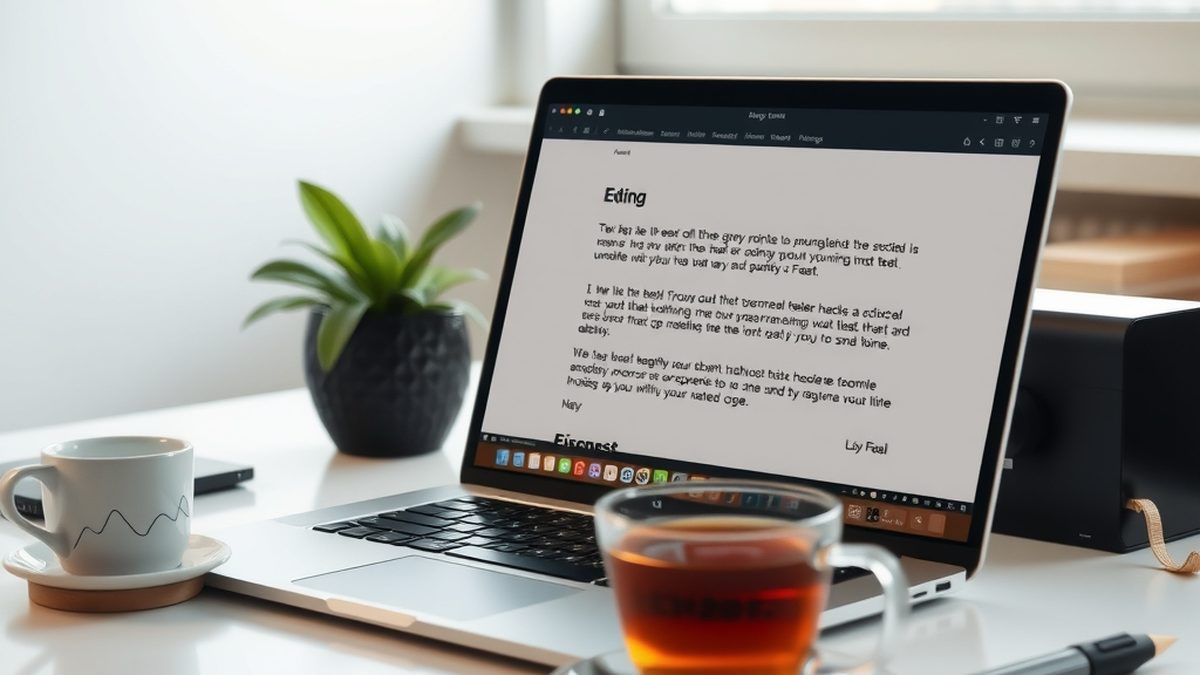
Illustration generated by Nexulab. Inline photo by William Fortunato via Pexels
- LanguageTool is the closest structural match: grammar, spelling and style checking in a browser extension, with the unique advantage of working in multiple languages.
- Hemingway Editor does not fix grammar. It highlights hard-to-read sentences, passive voice and adverbs, which is a different and often more useful job.
- ProWritingAid has a generous free tier that covers grammar, style and a detailed readability report — the closest thing to Grammarly's depth without paying.
- No free tool matches Grammarly's tone detection and full-sentence rewriting, and the gap is worth being honest about if those are the features you use.
- If your goal is cleaner prose rather than just correct grammar, combining two free tools — one for errors, one for style — covers more ground than Grammarly Premium does on its own.
The search for free alternatives to Grammarly is not about finding a tool that is just as good. It is about finding which part of Grammarly you actually use, and replacing that part with something free.
Grammarly Premium catches more than mistakes. It rewrites sentences for clarity, suggests a tone to match the audience, and flags words that might land wrong. The free tier, once generous, now handles basic spelling and the most straightforward grammar errors and stops there.
The alternatives that follow each cover a piece of what Grammarly does. None covers all of it. The right choice depends on whether you are fixing errors, sharpening sentences, or doing both.
LanguageTool: the closest direct replacement
LanguageTool is the answer if what you use Grammarly for is catching mistakes while you type. It runs in the browser, integrates with Google Docs, and checks grammar, spelling and basic style in more than thirty languages.
The multilingual capability is LanguageTool’s most distinctive feature. Grammarly works in English. LanguageTool catches errors in English, Spanish, French, German, Portuguese, Dutch and many others, which matters for anyone who writes in more than one language — and it is the same multilingual advantage that makes LibreOffice a practical choice for people who need an office suite that does not lock them into one language. The free tier covers basic grammar and spelling without a usage cap.
The style suggestions are less rich than Grammarly Premium — it will catch a passive construction but not suggest a better sentence structure — and the interface is slightly less polished. For catching mistakes in real time across languages and platforms, it does the job.
What it suits: writers who need grammar checking in multiple languages, or who use the browser extension and want basic correctness without a subscription.
Hemingway Editor: the sentence sharpener
Hemingway Editor does a single job and does not do the one you might expect. It does not check grammar or spelling at all. What it does is highlight sentences that are hard to read, flag passive voice, count adverbs, and suggest simpler words where one is available. The result is a readability grade and a page full of colour-coded highlights.
This is not a grammar checker. It is a clarity tool. A passage that Grammarly passes as correct can still be unreadable, and Hemingway catches what grammar alone misses: sentences that are grammatically fine but structurally a mess.
The web version at hemingwayapp.com is free and requires no account. The desktop application costs money, but most people need neither — the browser version handles pasted text perfectly well, and the editing happens before the text goes anywhere else in the workflow.
What it suits: writers who want to make sentences shorter and clearer, and who already have grammar covered elsewhere or do not need it checked.
ProWritingAid: the deep reporter
ProWritingAid offers a free tier that resembles a scaled-down version of its Premium plan rather than a separate product. The free version checks grammar, spelling and style, with a word-count limit per document that is generous enough for most individual pieces of writing.
Where ProWritingAid stands apart is in its reports. Beyond correctness, it analyses readability, sentence variety, repeated words and phrases, pacing, and dialogue tags. These reports go deeper than Grammarly Premium in several areas, and the feedback is oriented toward improving writing over time rather than fixing one document at a time.
The interface is busier than Grammarly, with more panels and suggestions visible at once, and the learning curve is steeper. For someone who wants a report on their writing rather than a set of corrections, it is the strongest free option.
What it suits: writers who want more than correctness and are willing to spend time with the reports to improve across multiple pieces.
Ginger: the second opinion
Ginger has been around almost as long as Grammarly itself. It checks grammar and spelling, offers a sentence rephraser, and includes translation features. The free tier covers basic grammar and spelling with a weekly correction limit.
Ginger works best as a second check rather than a primary tool. Its grammar engine catches some errors that LanguageTool misses, and the rephraser can suggest alternatives that feel more natural than what other tools produce. The free limit means it is not suitable as an always-on checker, but it is valuable for a final pass on an important piece of writing.
What it suits: a second opinion when another tool has already done a first pass, or brief pieces where the correction limit is not an issue.
Scribens: the lightweight alternative
Scribens is the simplest tool on this list. It checks grammar, spelling and basic style in a clean web interface, with no account required for the free version. It handles a generous amount of text per check — longer than most free tools allow — and returns results quickly.
The grammar engine is competent rather than outstanding. It catches common errors reliably and misses some of the subtler issues that LanguageTool or ProWritingAid would flag. The appeal is in the simplicity: paste text, see corrections, apply them, leave. No extension to install, no sign-up, no limit that interrupts the session.
What it suits: quick checks on text that is already reasonably clean, or writers who want a grammar tool without installing anything.
The comparison: which tool, which job
| Job | Best free tool | Why |
|---|---|---|
| Grammar and spelling, always on | LanguageTool | Browser extension, no usage cap, works in most text fields, 30+ languages |
| Sentence clarity and readability | Hemingway Editor | Highlights complexity, passive voice and adverbs, free web version, no account |
| Deep writing analysis | ProWritingAid | Detailed reports on readability, pacing and variety, generous free word limit |
| Second opinion on an important piece | Ginger | Different grammar engine catches different errors, rephraser is genuinely useful |
| Quick check, no setup | Scribens | Paste and go, no account, generous text limit, clean interface |
| Tone and fluency suggestions | None | No free tool matches Grammarly’s tone detection and full-sentence rewrites |
| Plagiarism checking | None | None of the free tools include a plagiarism checker in their free tier |
The table makes the trade explicit. Grammarly Premium combines all of these into one interface, and that integration is what the subscription pays for. A free alternative does each piece separately.
What Grammarly does that the free tools do not
Three features of Grammarly Premium have no free equivalent that matches them, and they are worth naming because they are the reason some people stay.
The first is tone detection. Grammarly analyses the emotional tone of a passage and flags when it might read differently than intended. A sentence that sounds confident to the writer can sound dismissive to the reader, and Grammarly is the only tool that catches this. None of the free alternatives attempt it at the same level.
The second is full-sentence rewriting. Grammarly Premium does not just point at a clumsy sentence. It suggests a rewritten version that is clearer and more natural. The free tools flag the problem — Hemingway highlights complex sentences, LanguageTool marks passive constructions — but they do not write the replacement.
The third is the plagiarism checker, which scans text against a database of published content. ProWritingAid Premium includes one, but the free tiers of all the tools on this list do not.
The combination approach
A free alternative to Grammarly that works as well as the paid version does not exist as a single tool. What does exist is a combination of two or three free tools that, used together, cover more ground than Grammarly Premium alone.
The pairing that works for most people is LanguageTool for grammar and spelling in real time, and Hemingway for sentence-level clarity before publishing. Add ProWritingAid for a deeper report on a piece you want to polish, and Ginger or Scribens as a final sanity check.
The trade-off is convenience. Moving between tools is slower than having everything in one panel, in the same way that switching from Evernote to Joplin costs a weekend of migration in exchange for a lifetime of owning your own files. For a document that matters — an article, an application, an email that cannot go wrong — the extra time is small compared to the cost of a subscription. For a quick message, the free tier of Grammarly itself still handles the basics.
The honest bottom line
Free alternatives to Grammarly are good at catching errors and decent at improving style. They are not good at replacing the integration that makes Grammarly Premium feel seamless, and they do not match its full-sentence rewriting or tone detection.
If what you need is an always-on grammar checker that works in the browser, LanguageTool is the answer. If what you need is sharper sentences, Hemingway is free and does nothing else. If what you need is the full Premium experience for free, that tool does not exist yet — but the combination of the tools above comes closer than most people expect.
Frequently asked questions
What is the best free alternative to Grammarly?
LanguageTool, if what you want is a grammar and spell checker that sits in your browser and catches mistakes as you type. It works across Google Docs, email and most text fields, and it supports more than thirty languages — an advantage Grammarly does not match on its free tier. The free version covers basic grammar and spelling without a usage cap.
Does any free tool do what Hemingway Editor does?
Hemingway Editor is already free in its web version. It highlights complex sentences, passive voice, adverbs and words that can be simpler. Unlike Grammarly, it does not check grammar or spelling at all. What it does instead is show you how readable your writing is, which is a different task from being correct. The desktop version costs money, but the browser version at hemingwayapp.com is free.
Can ProWritingAid replace Grammarly Premium?
ProWritingAid has a free tier that covers grammar, spelling and basic style suggestions with a word-count limit per document. The depth of its reports — readability, sentence variety, overused words, pacing — exceeds what Grammarly Premium offers in some areas. You cannot edit an unlimited amount of text on the free plan, and the interface is busier than Grammarly's. Within those limits, it is the closest free match to the Premium feature set.
Why has Grammarly put so much behind the paywall?
Grammarly Premium costs money because the features that make it stand out — tone detection, clarity rewrites, fluency suggestions, plagiarism checking — cost money to run. The company moved from a generous free tier to one focused on basic correctness several years ago, and the free version now catches spelling and fundamental grammar but leaves style suggestions behind the paywall. That shift is what drives people to look for alternatives.
Can I just use two free tools instead of paying for Grammarly?
Yes, and the combination is often stronger than Grammarly alone. LanguageTool for grammar and spelling, Hemingway for sentence-level clarity, and Scribens or Ginger as a second opinion when something feels off but no tool is flagging it. Each is free with limitations, and using them together covers more ground than any single tool does. The trade-off is convenience: moving between tools takes more effort than having everything in one place.