How to Clean a Toilet Properly, Including the Parts You Skip
Nearly everyone cleans the same eighty per cent. The parts that get skipped are the ones responsible for the smell and the stubborn ring.
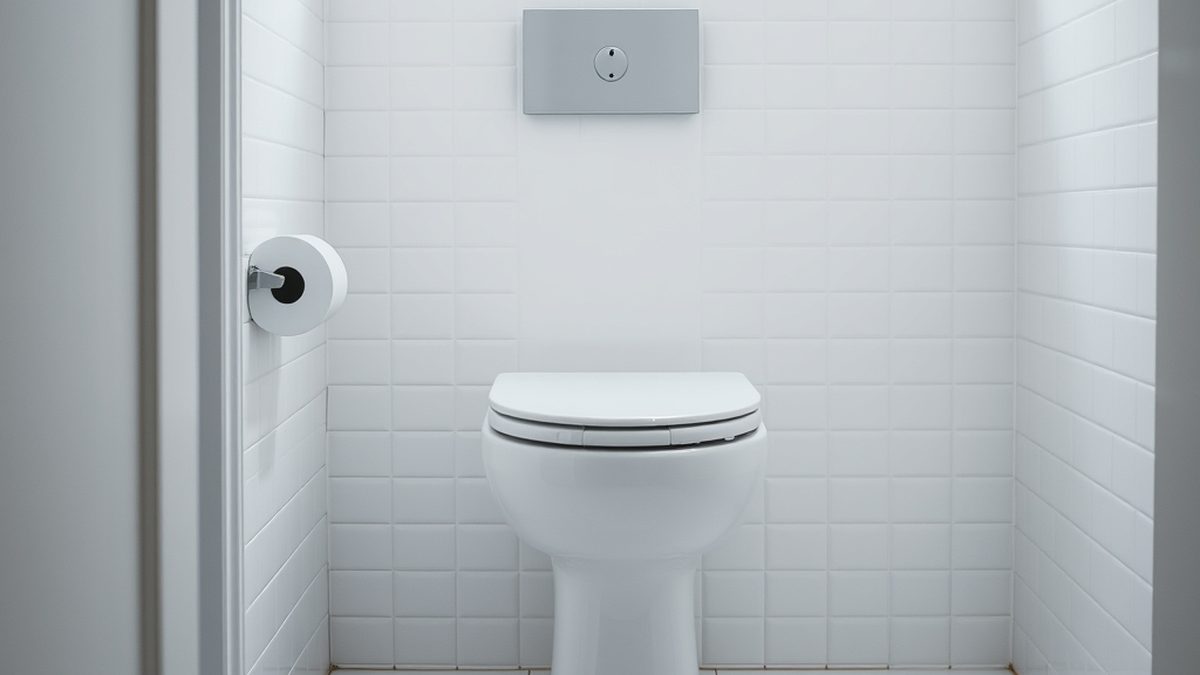
Illustration generated by Nexulab
- The rim jets under the lip are where water enters the bowl, and almost nobody cleans them. Blocked jets mean a weaker flush and a dirtier bowl.
- The ring at the waterline is usually limescale, not dirt. Bleach whitens it and does not remove it — that needs an acid.
- Clean from the outside in and top down, or you recontaminate what you already did.
- Never mix bleach with any acid, including limescale removers and vinegar. That combination releases chlorine gas.
- A persistent smell in a rarely used bathroom is often a dry trap, not a dirty toilet. Pour water down the drain.
Almost everyone cleans a toilet the same way: squirt something blue under the rim, brush the bowl, wipe the seat, done.
That covers most of the visible surface and misses the two places responsible for the complaints people actually have — the weak flush, and the smell that survives cleaning.
Neither is in the bowl.
Do it in the right order
The order matters for a reason that is easy to overlook: you recontaminate what you already cleaned if you work backwards.
Top down, outside in. Cistern and handle first, then the seat and lid, then the outside of the bowl, then the base, and the inside of the bowl last. The brush goes in the water at the end, not the beginning.
And a note on cloths. Whatever touches the toilet should not later touch a sink or a worktop. Colour-code them, or use disposable paper for the bowl area. This is basic and routinely ignored.
The rim jets: the part nobody cleans
Lift the seat and run your fingers along the underside of the rim. There is a channel there, and a row of small holes. That is where the flush water enters.
Over months, limescale and grime narrow those holes. The flush weakens, water stops sweeping the whole bowl, and you get streaks down one side that come back within a day of cleaning.
How to clear them:
1. Clear each hole mechanically. A cocktail stick, a thin wire, or an unfolded paperclip. Push into each hole and work it around. You will feel the deposit give.
2. Then hold acid against them. This is the part that works. Soak strips of kitchen paper in white vinegar or a limescale remover, and press them up against the underside of the rim so they stay in contact. Leave for an hour.
3. Remove and flush. Repeat if the flush is still uneven.
If you have never done this on an older toilet, the improvement in the flush is genuinely noticeable, and it costs nothing.
The ring at the waterline
The dark line where the water sits is usually limescale with staining bound into it — the same mineral deposit that blocks a shower head.
That is why bleach disappoints. Bleach whitens the stain on the surface of the deposit. The deposit stays, and the colour returns.
The method that works:
1. Lower the water. Turn off the supply valve behind the toilet, flush, and most of the water leaves the bowl. Now the ring is exposed rather than underwater.
2. Apply acid directly. Limescale remover, or white vinegar. Give it several hours if the ring is established — overnight is fine.
3. Then abrade what remains. A pumice stone sold for porcelain, used wet, removes hardened deposit without scratching the glaze. Wet is essential; a dry pumice stone will mark it.
4. Turn the water back on and flush.
In a hard-water area this comes back, so descaling every month or two keeps it from ever establishing.
The base, and where the smell lives
This is the second skipped part, and it is usually the answer to “I cleaned it and it still smells.”
The bolt caps at the floor. Those two plastic covers hide the fixing bolts, and urine runs down the outside of the bowl and collects around them. Pop them off — most just lift or unscrew — and clean underneath.
The join between the toilet and the floor. A thin line that traps residue. An old toothbrush and a bathroom cleaner.
Behind the bowl, where the pipe goes into the wall or floor. Awkward, rarely reached, worth doing.
The seat hinges. Most modern seats release with a button or a clip so the whole seat lifts off. Underneath the hinges is a place nobody looks and residue accumulates.
If you have young children or men in the house, the base is where the smell is. Every time.
When it is not the toilet at all
A bathroom that smells despite a clean toilet often has a dry trap.
Every drain has a U-bend holding a small amount of water, and that water is what blocks sewer gas from coming back up. In a shower, sink or floor drain that is rarely used, the water evaporates and the seal disappears.
The test costs nothing: pour a jug of water down every drain in the room, including the shower and any floor drain, and see if the smell goes within an hour.
This is a common cause in guest bathrooms and holiday homes, and no amount of cleaning fixes it.
The safety point that actually matters
Never mix bleach with an acid. Not with vinegar, not with limescale remover, not with a descaler.
The reaction releases chlorine gas, and a bathroom is a small room with poor ventilation. This is not a theoretical hazard — it is the most common way people injure themselves cleaning at home.
Practical rules:
- Use one product per session
- If you switch, flush thoroughly and rinse surfaces between
- Open a window or run the extractor
- Never combine products because two seem stronger than one
Bleach also does nothing for limescale, so the temptation to combine them is based on a misunderstanding anyway. Acid removes scale; bleach kills organisms and lifts organic stains. Different jobs.
Choosing what to use
For routine cleaning: any bathroom cleaner, or plain detergent and hot water. Most of what is on a toilet is not exotic.
For disinfecting: a bleach-based product, left in contact for the time on the label. Contact time is the part people skip — squirting and immediately brushing does very little.
For limescale: an acid. Dedicated remover, white vinegar, or citric acid.
For stubborn deposit: a pumice stone made for porcelain, used wet.
Avoid abrasive powders and scouring pads on the glaze. Scratched porcelain holds dirt in a way smooth porcelain does not, so you make the next clean harder permanently.
The routine, compressed
Weekly, three minutes: brush the bowl, wipe the seat top and bottom, wipe the rim and the handle.
Monthly, twenty minutes: rim jets, base and bolt caps, seat hinges, and descale the waterline.
When the flush weakens: rim jets, immediately. That is what it is telling you.
For more in this series, see our other home & kitchen guides.
Frequently asked questions
How do I remove the ring at the waterline?
That ring is usually limescale with staining bound into it, so bleach whitens the surface and leaves the deposit behind. You need an acid: a dedicated limescale remover, or white vinegar left in contact for several hours. The practical trick is to lower the water level first — switch off the supply, flush, and the bowl empties enough to expose the ring — so the acid sits on the deposit undiluted. Then a pumice stone made for porcelain removes what remains.
What are rim jets and how do I clean them?
They are the small holes under the lip of the bowl where flush water enters. Limescale and grime block them over time, which weakens the flush and leaves streaks down the bowl. Clean them by running a thin wire or a cocktail stick into each hole, then holding acid against the underside — soak strips of kitchen paper in vinegar or limescale remover and press them under the rim for an hour. Most people have never done this and it makes a visible difference to how the toilet flushes.
Can I mix bleach and vinegar to clean a toilet?
No. Bleach and any acid — vinegar, limescale remover, some descalers — react to release chlorine gas, which is genuinely dangerous in a small unventilated bathroom. Use one or the other, rinse thoroughly between them if you use both on different days, and open a window. This is the single most important safety point in bathroom cleaning.
Why does my bathroom still smell after cleaning the toilet?
Three usual suspects. Urine that has run down the outside of the bowl and dried at the base, particularly around the bolt caps and the join with the floor. A dry U-bend in a rarely used sink, shower or floor drain, which lets sewer gas back into the room — pour a jug of water down each drain and see if it stops. Or the seat hinges, which trap residue in a place you cannot see with the lid down.
How often should I clean the toilet?
A quick clean weekly keeps it from becoming a job: brush the bowl, wipe the seat and the rim, and you are done in three minutes. The deeper work — rim jets, the base, descaling the waterline — every month or two, more often in a hard-water area. The honest signal for descaling is the flush: when water no longer sweeps cleanly around the bowl, the jets are partly blocked.