The Best Free Alternatives to Adobe Illustrator
Vector drawing is one of the few areas where the free option is genuinely close to the paid one. The gap that remains is not about drawing at all.
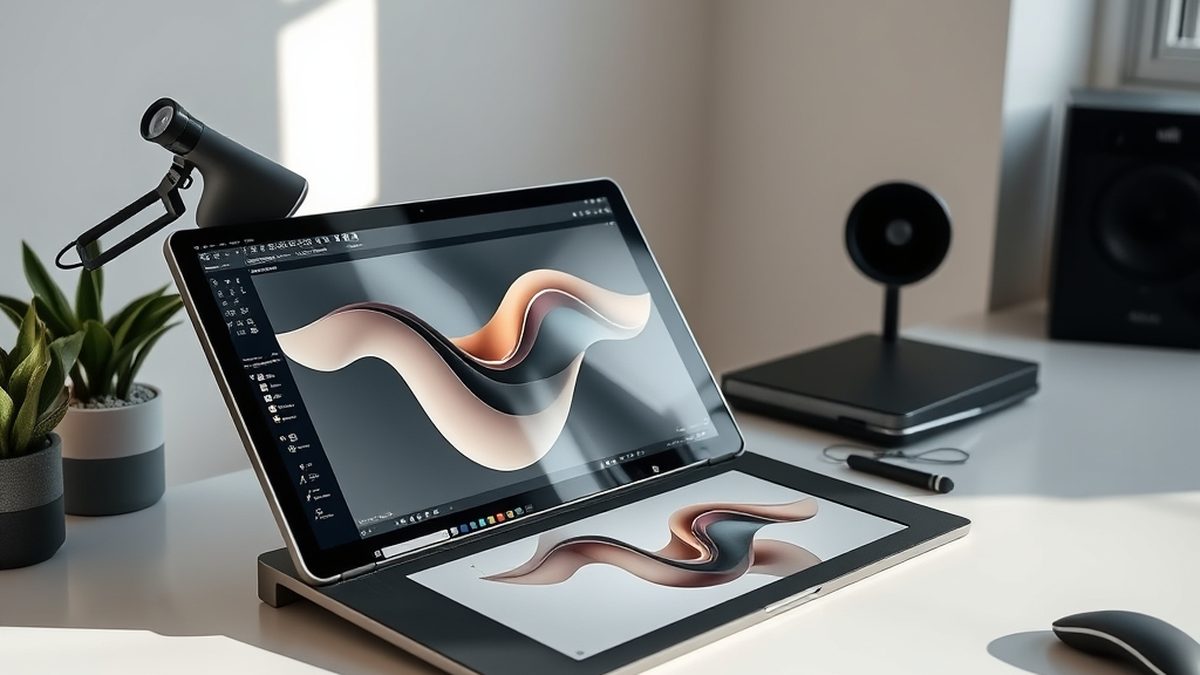
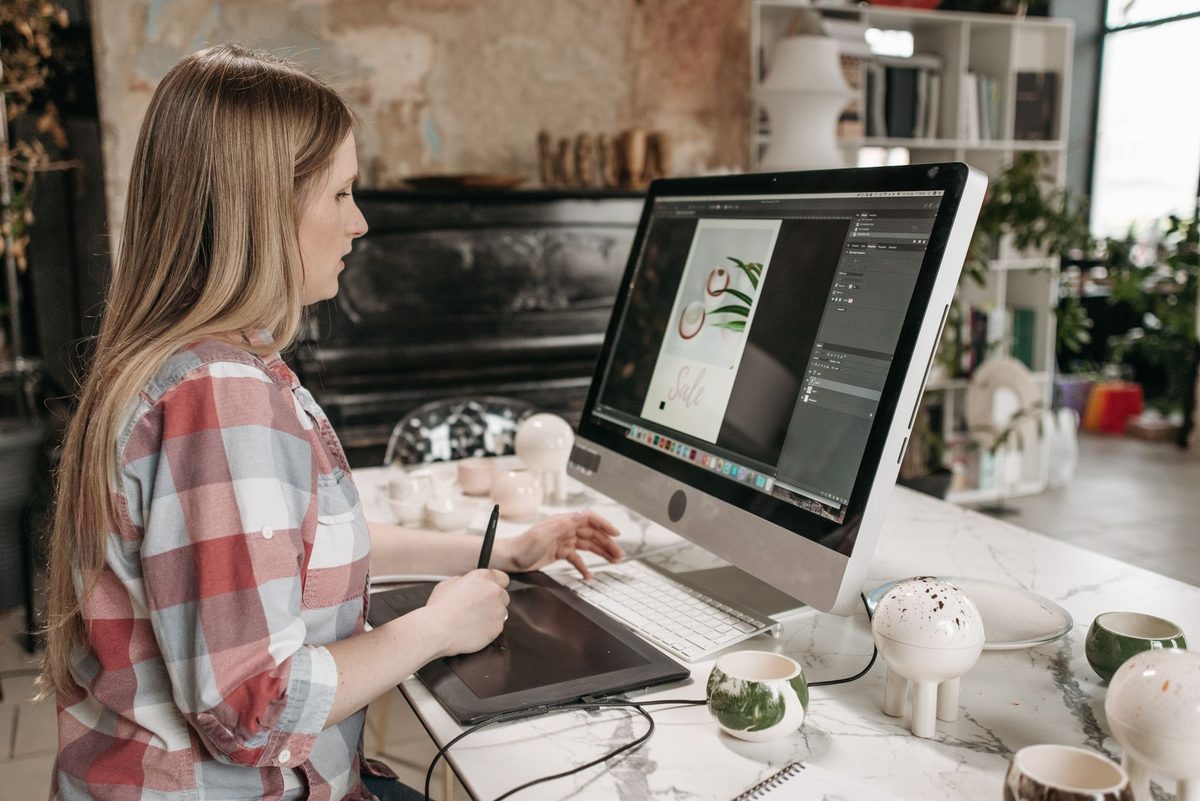
Illustration generated by Nexulab
- Inkscape is the closest free equivalent and is a serious vector editor, not a stripped-down imitation.
- For interface and product design, Penpot is the better fit and works in a browser with no installation.
- SVG is the interchange format that works. AI and EPS files are where friction appears.
- Colour-managed CMYK print production remains the one job where free tools genuinely fall short.
- The real cost of switching is unlearning shortcuts, not missing features.
The best free alternatives to Adobe Illustrator are unusual among creative software: the free option is genuinely close to the paid one.
That is not true of print layout, and it is not true of colour-managed prepress. But for drawing shapes, building logos, tracing artwork and exporting scalable graphics, the gap between Adobe Illustrator and its free equivalents is smaller than the price difference suggests.
The useful question is not which tool wins overall. It is which job you actually do — because free alternatives to Adobe Illustrator split cleanly by job, and picking by reputation leads people to the wrong one.
For general vector work: Inkscape
Inkscape is the answer for most people, and it deserves better than the “free alternative” framing. It is a mature vector editor with a deep path toolset, boolean operations, gradients and meshes, live path effects, powerful node editing, tracing of bitmap images, and proper SVG output.
Its native format is SVG, which is an open standard rather than a proprietary container. That matters more than it sounds: it means your files are readable by browsers, by other design tools, and by whatever software exists in a decade.
Two honest caveats.
The interface is not Illustrator’s, and muscle memory does not transfer cleanly. Tools live in different places and some operations take an extra step. The first week is irritating in a way that has nothing to do with capability.
Performance on very complex documents is weaker than the commercial equivalents. A poster with thousands of objects and heavy filters will feel it.
Where it stops: CMYK. Inkscape works in RGB, and while there are routes to a printable file, this is not a tool for sending colour-critical work to a commercial printer with predictable results.
For interface and product design: Penpot
If what you actually make is app screens, web layouts and design systems, Illustrator was never the right tool and neither is Inkscape.
Penpot is open source, runs in a browser, and is built around the things interface work needs: components, shared libraries, constraints, prototyping, and real-time collaboration. It also self-hosts, which matters if client work cannot sit on someone else’s servers.
Where it stops: it is not an illustration tool. Freeform drawing and complex artwork are not what it is for.
For quick edits with no installation
Vectr and Boxy SVG both handle straightforward vector work in a browser tab. Draw a shape, adjust a path, export an SVG or PNG, close the tab.
They are genuinely convenient for a single task on a machine that is not yours. For sustained work, a desktop application is less frustrating — browser tools tend to have thinner keyboard support and shallower undo.
The file format problem, and how to make it disappear
This is where switching actually hurts, and it is worth handling deliberately.
AI is proprietary. Some AI files carry an embedded PDF layer that Inkscape can open, and simple artwork often survives. Complex documents do not: live effects flatten, some gradients shift, text on paths breaks.
EPS is legacy and awkward. It usually imports, imperfectly.
SVG works properly, because it is an open standard both sides implement.
So the fix is a request rather than a technical solution: ask collaborators for SVG or PDF. Illustrator exports both natively and losslessly for most purposes. One sentence in an email removes the majority of format friction, and people rarely refuse.
For your own work, start and finish in your chosen tool and the question never comes up.
Quick comparison
| What you do | Free option | Runs offline | Main trade-off |
|---|---|---|---|
| Illustration and drawing | Inkscape | Yes | Unfamiliar interface; RGB only |
| Logos and brand marks | Inkscape | Yes | Plan CMYK delivery in advance |
| Interface and product design | Penpot | Browser or self-hosted | Not an illustration tool |
| Quick one-off edits | Vectr, Boxy SVG | Browser-based | Thinner keyboard support |
| Page layout for print | Scribus | Yes | A layout tool, not a drawing one |
| Raster work alongside | GIMP and Krita | Yes | Different job entirely |
| Colour-managed CMYK print | No solid free option | — | See below |
The one job that still needs paying for
Commercial print with predictable colour.
Not “export a PDF” — that is easy. Producing a file with correct CMYK separation, controlled ink limits, spot colours and a proof a printer will accept and reproduce as you intended.
Scribus handles more of this than Inkscape does, and for some print work it is enough. But if colour accuracy is what you are being paid for, that single capability justifies a subscription. Everything else on this page does not.
How to decide in a minute
Do you draw, or design interfaces? Drawing goes to Inkscape. Interfaces go to Penpot. These are not interchangeable.
Do files travel to Illustrator users? Ask for SVG. Then it barely matters what you use.
Is print colour your deliverable? Keep paying, or partner with someone who does prepress.
Do you just need one shape fixed today? Boxy SVG, in a tab, done in four minutes.
For most independent designers the honest outcome is that Inkscape covers the work, the first fortnight is annoying, and the annoyance ends. That is a different thing from a tool being worse.
For more in this series, see our other software & tools guides.
Frequently asked questions
Is Inkscape as good as Illustrator?
For drawing, shaping paths, boolean operations, gradients and exporting SVG, it is genuinely comparable, and some tools — the path editor and the node handling in particular — are excellent. Where it falls behind is polish and print: the interface feels less refined, performance on very complex documents is weaker, and CMYK separation for commercial printing is not its strength. For screen and web work, most people would not hit a wall.
Can free software open AI files?
Sometimes, and unreliably. AI is Adobe's proprietary format, and while some AI files contain an embedded PDF layer that Inkscape can read, complex documents lose structure — live effects, certain gradients, text on paths. If you are receiving files from Illustrator users, ask for SVG or PDF instead. That single request removes most of the problem.
What is the best free tool for logo design?
Inkscape, for almost everyone. Logos need clean vector paths, precise alignment and scalable output, which is exactly what it does well. The one caveat is delivery: if the client needs CMYK-separated files for print, plan how you will produce those before you start rather than after.
Is there a free alternative to Illustrator that runs in a browser?
Yes, several. Vectr and Boxy SVG both handle straightforward vector work without installation. For interface and product design specifically, Penpot is the strongest browser-based option and is open source. Browser tools suit quick edits and collaboration; for sustained work a desktop application is still less frustrating.
Do I lose anything by leaving Illustrator?
Three things, honestly. Integration with the rest of Creative Cloud, which matters if your workflow moves files between Adobe applications constantly. Some specific live-effect and type features with no direct equivalent. And reliable CMYK output for commercial print. If none of those describe your work, the subscription is buying you familiarity.